On August 14th, 2025, I traveled to Central New Mexico to visit the Salinas Pueblo Missions National Monument. I didn’t leave myself enough time to visit all three sites, but I enjoyed my time at Abó, Gran Quivira, and the visitor center in Mountainair. I had previously visited Quarai in 2017, so I felt less bad about missing that stop.
Abo
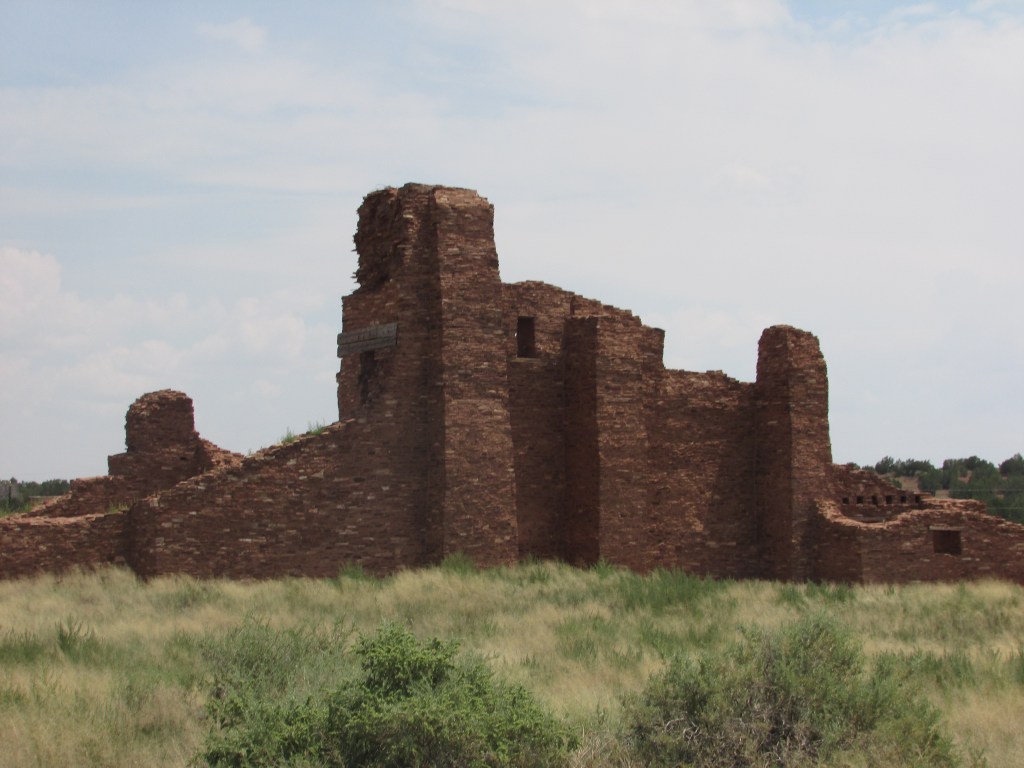
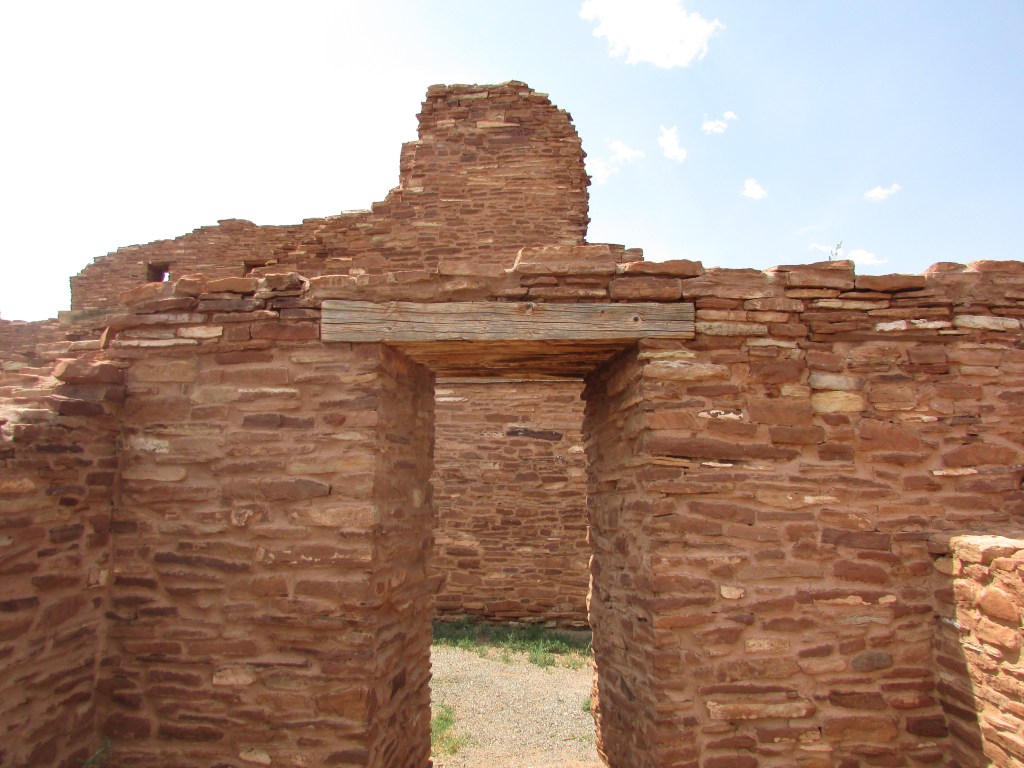
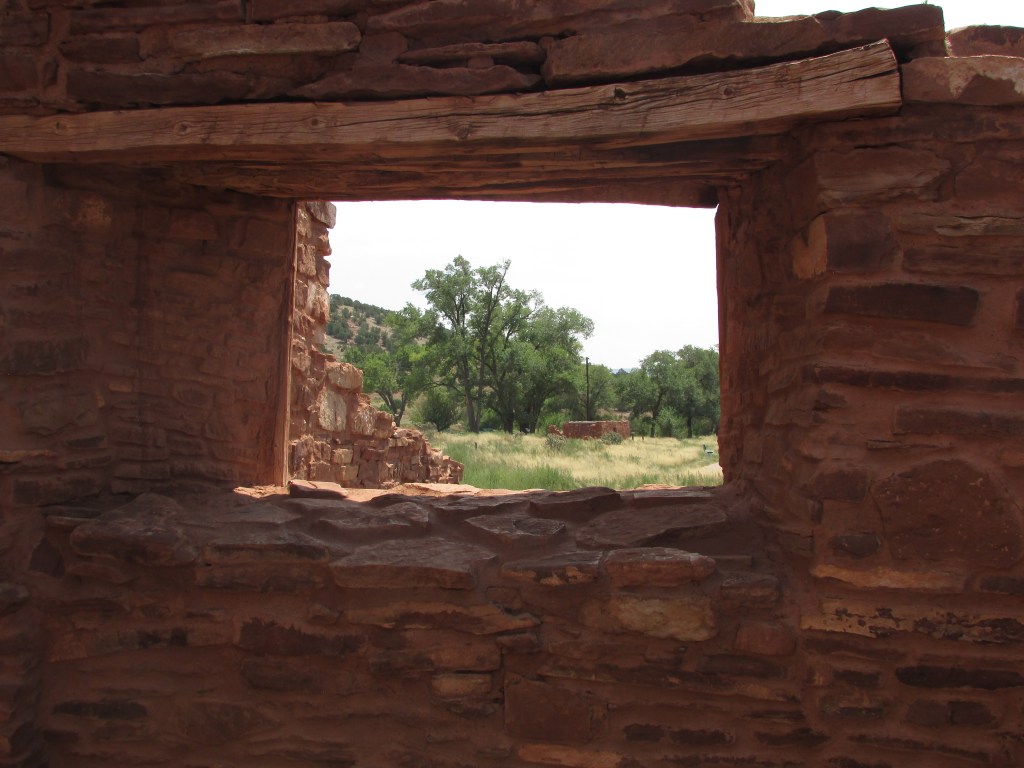
First, I stopped at Abó. The site was likely first inhabited by the Ancestral Puebloans in ~ 800 CE. It was connected to the vast trade networks of the southwest and beyond. Prior to Spanish contact in the 17th century, the residents built rectangular pueblo buildings out of the rich, red Abó sandstone. Following contact, a new building was built in 1622: the mission of San Gregorio de Abó.
Abó was abandoned in 1673 due to a combination of drought, famine, disease, and raids. Multiple reoccupation attempts were made in the 1800s by Spanish sheep herders. They were successful in 1865.
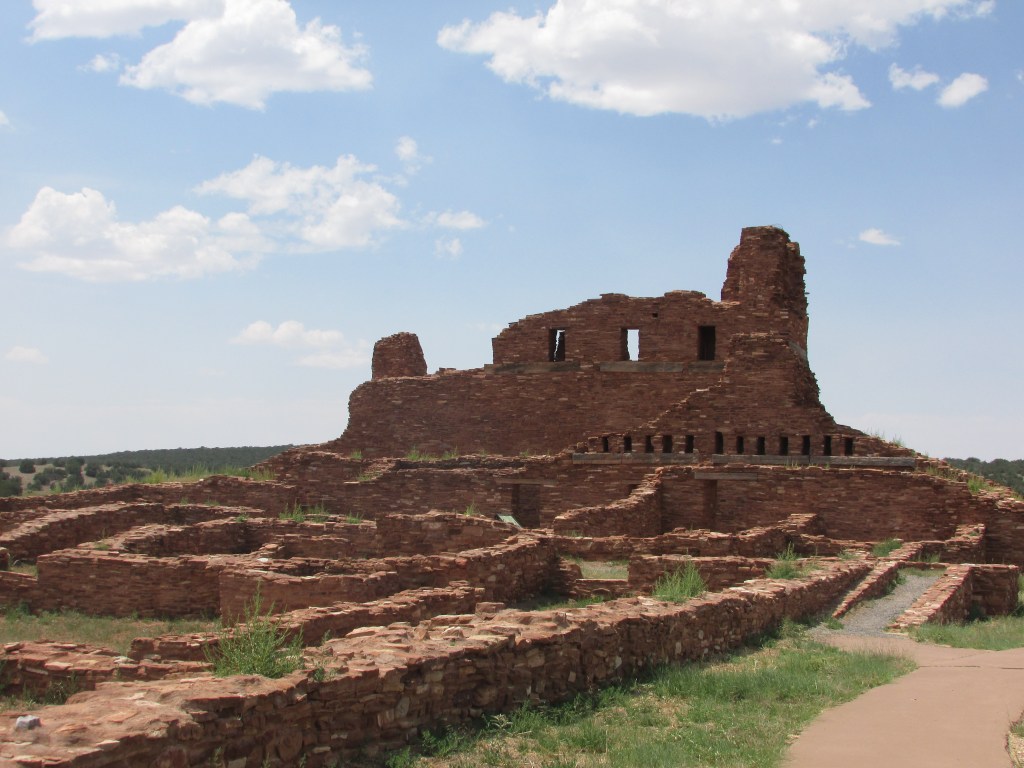
Originally, the walls of the missions would have been covered in a white gypsum coating.
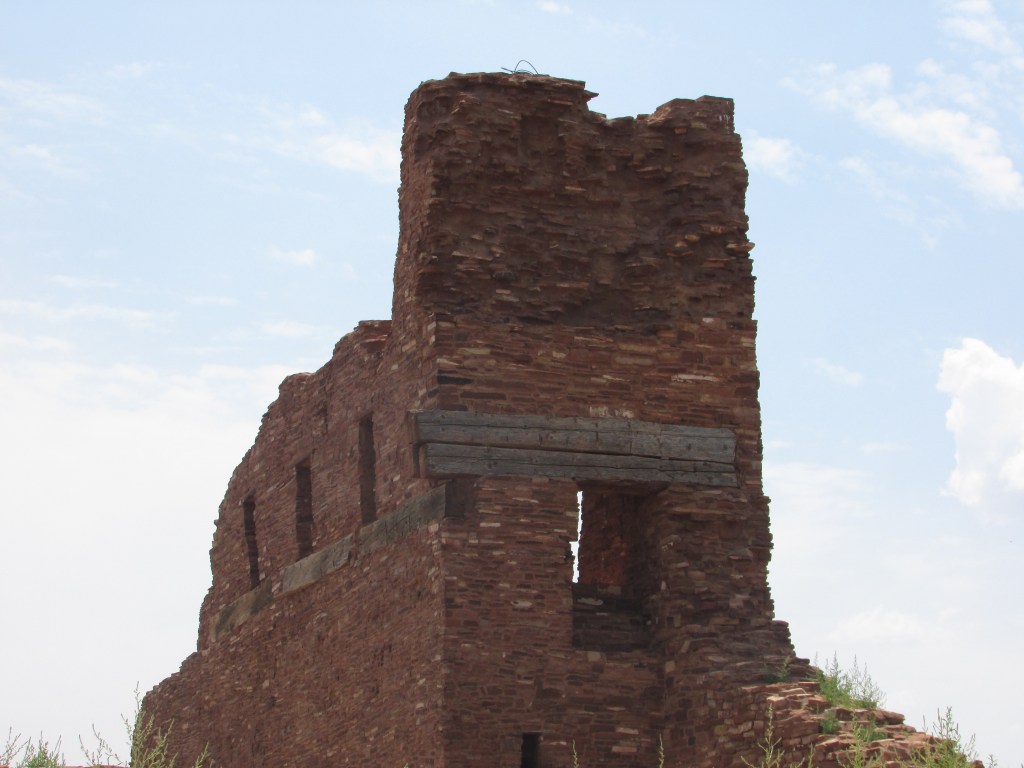
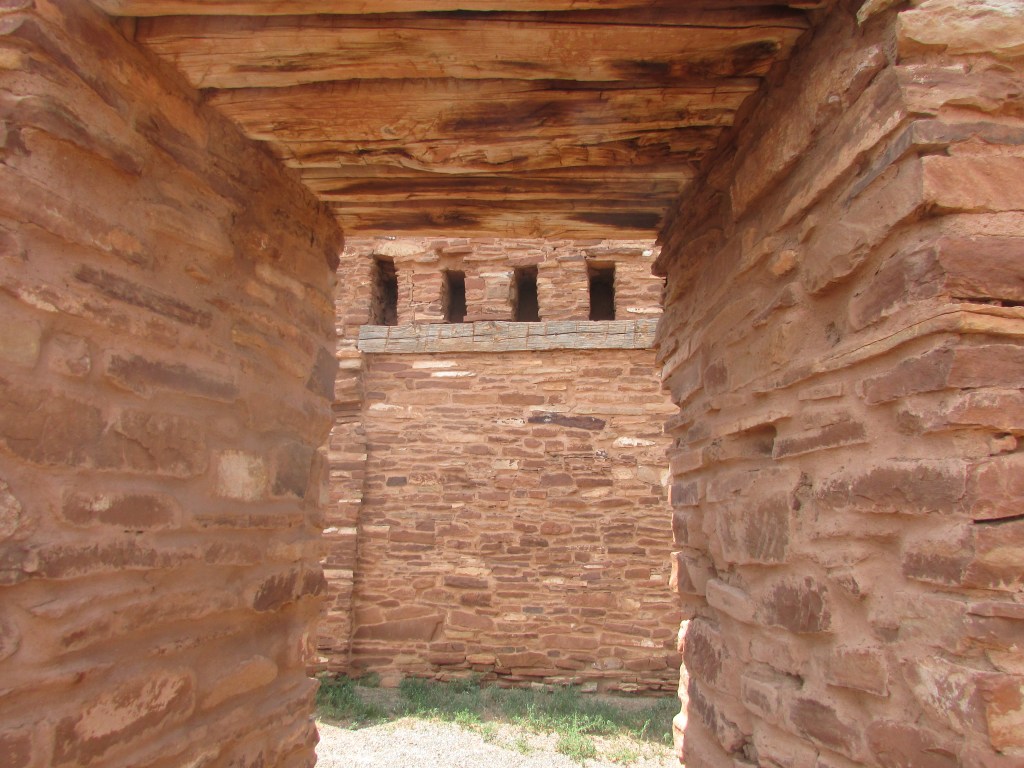
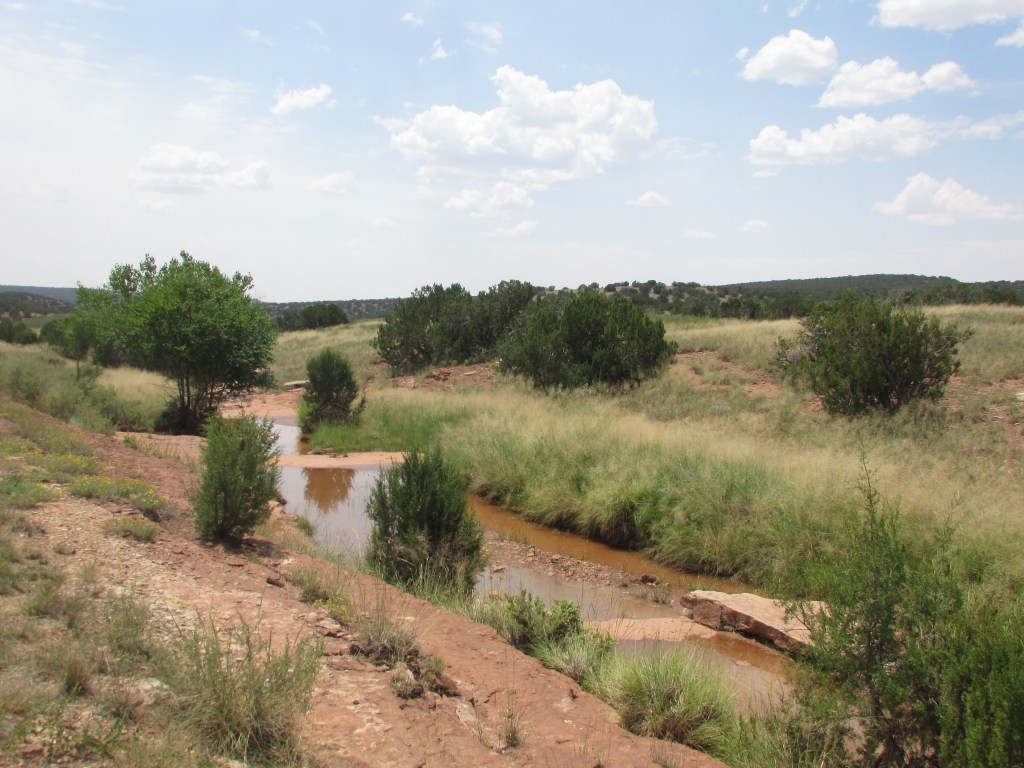
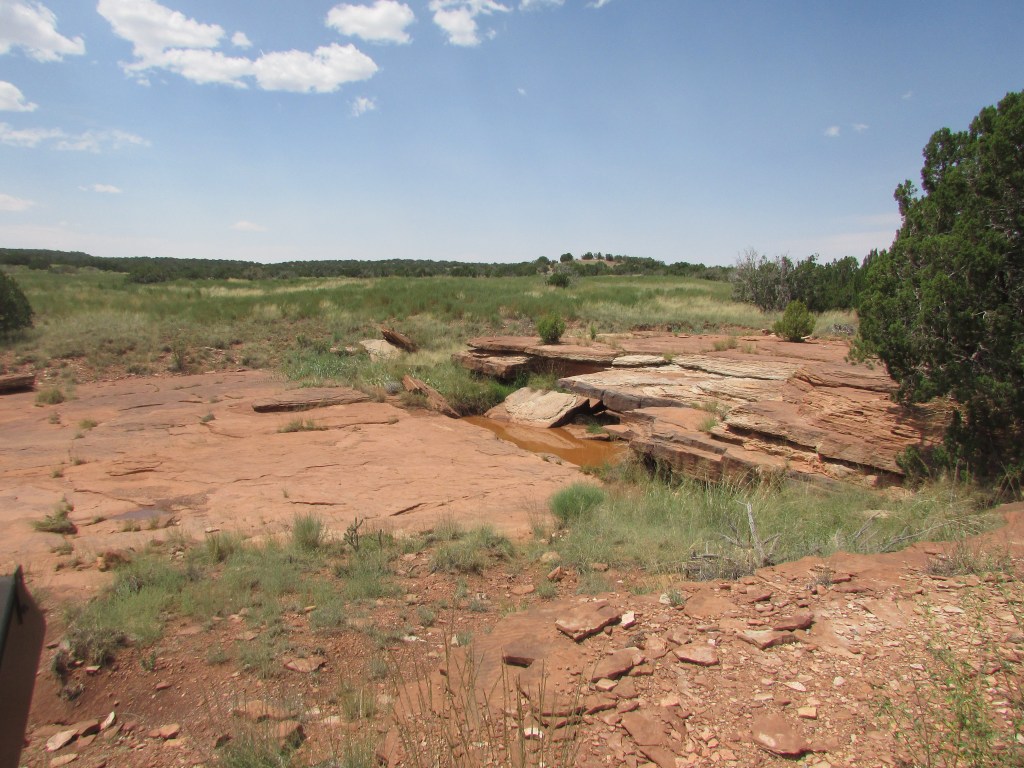
A small stream lies to the west of the site. The interpretive trail follows it for a short period.
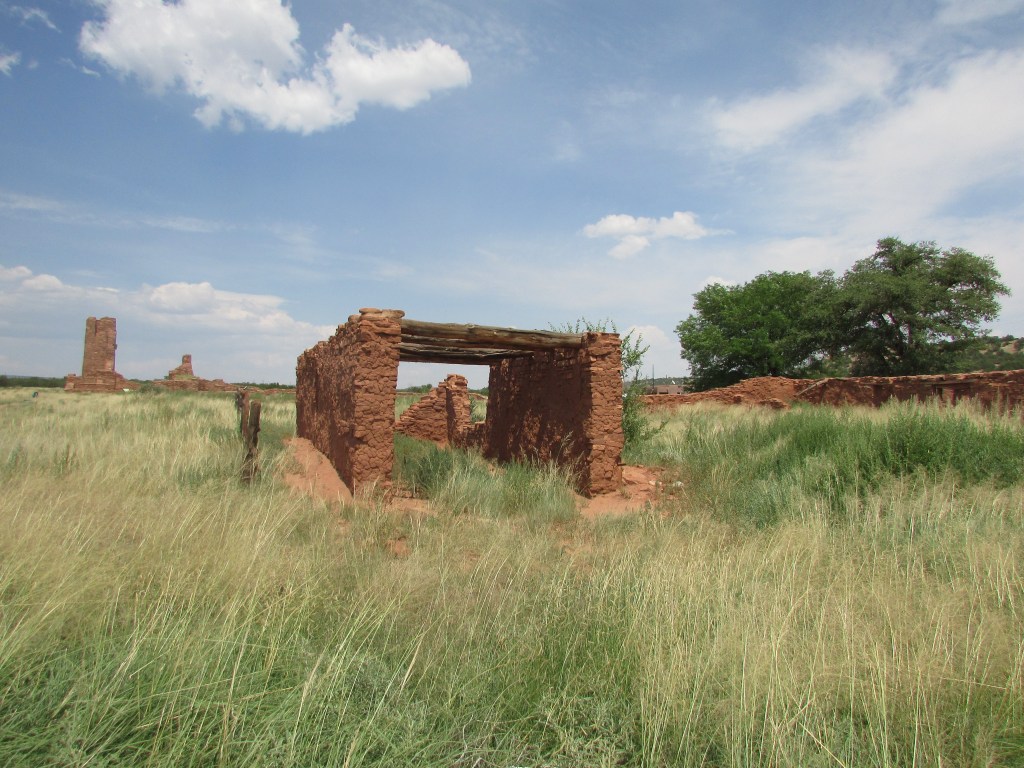
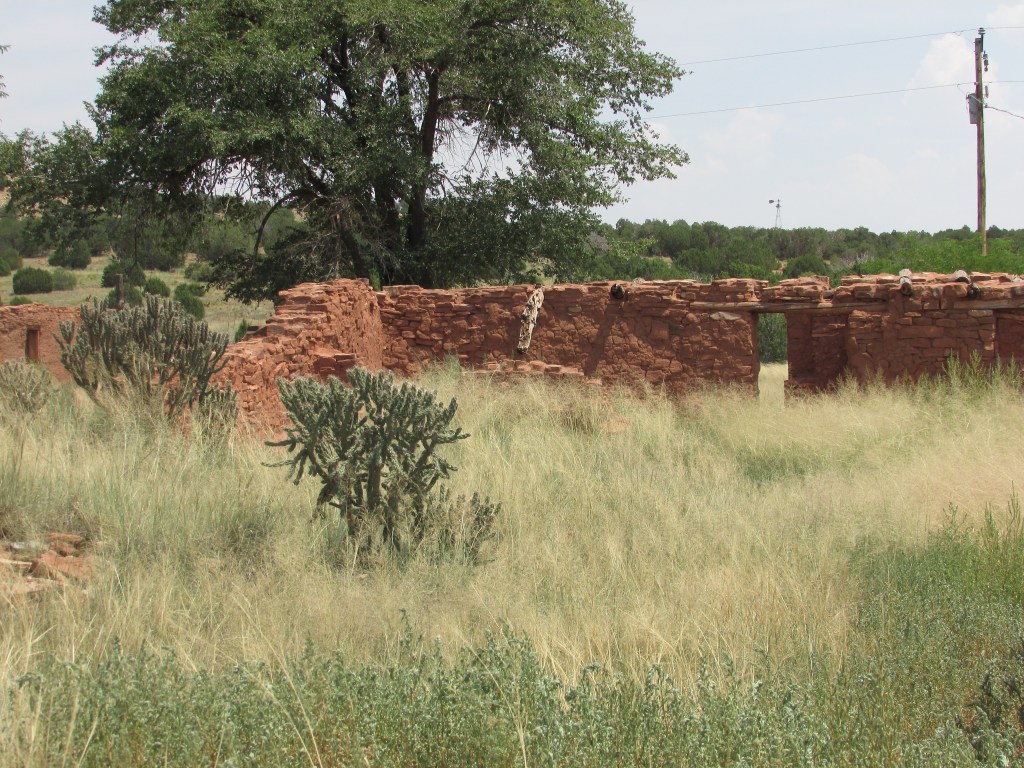
The reoccupation buildings were constructed near the missions and we constructed from the same materials: Abó Formation sandstone and ponderosa pine.
Gran Quivira
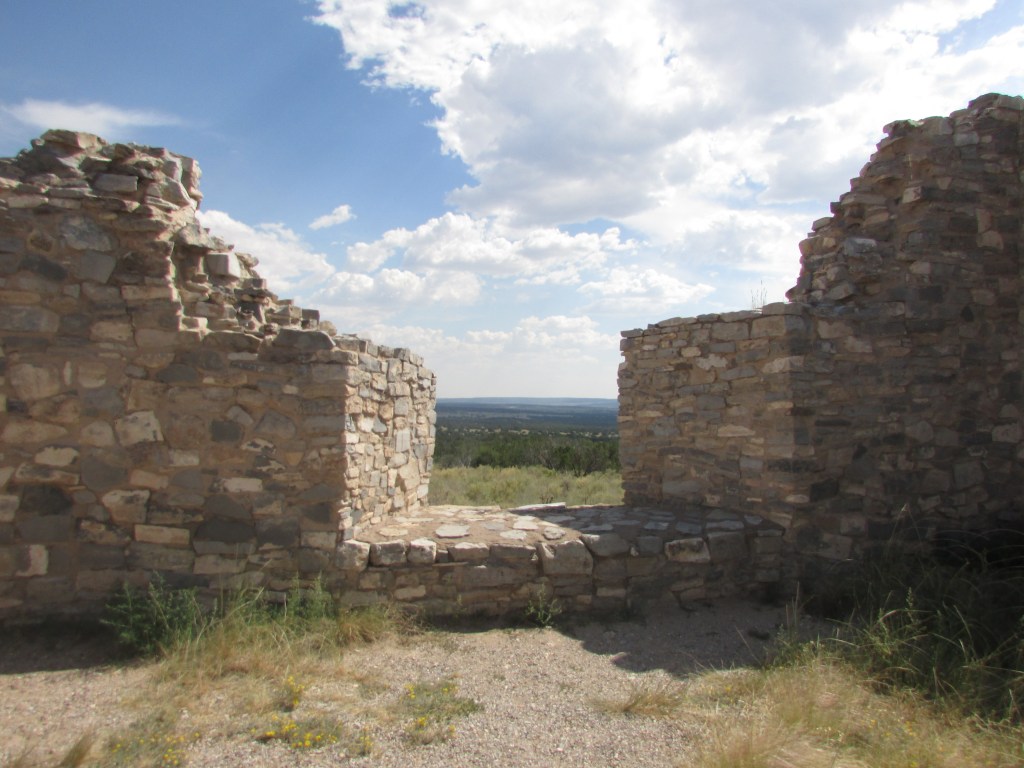
After stopping by the visitor center, I made my way to the site of Gran Quivira. It is the most remote of the sites, located almost 30 miles south of Mountainair.
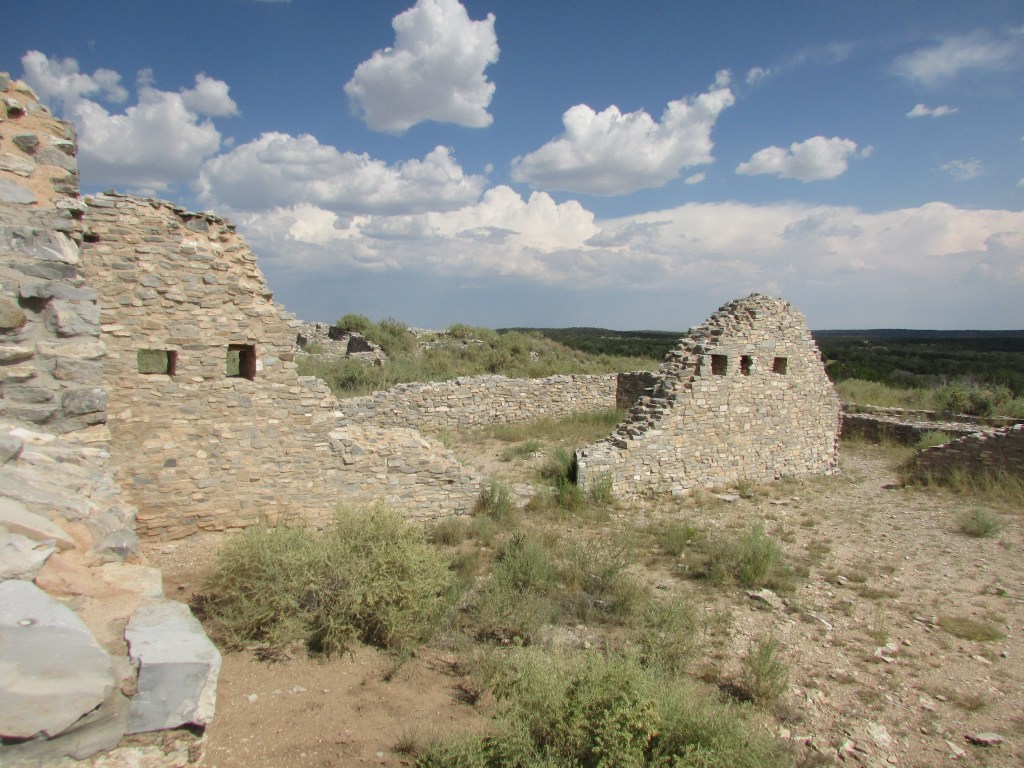
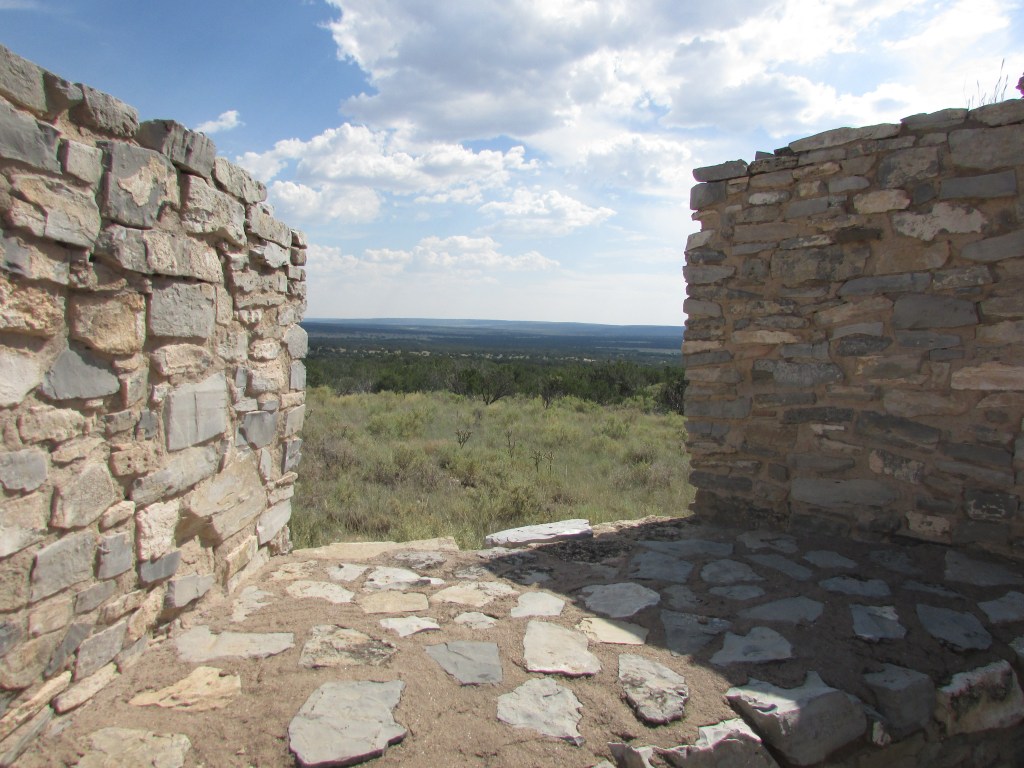
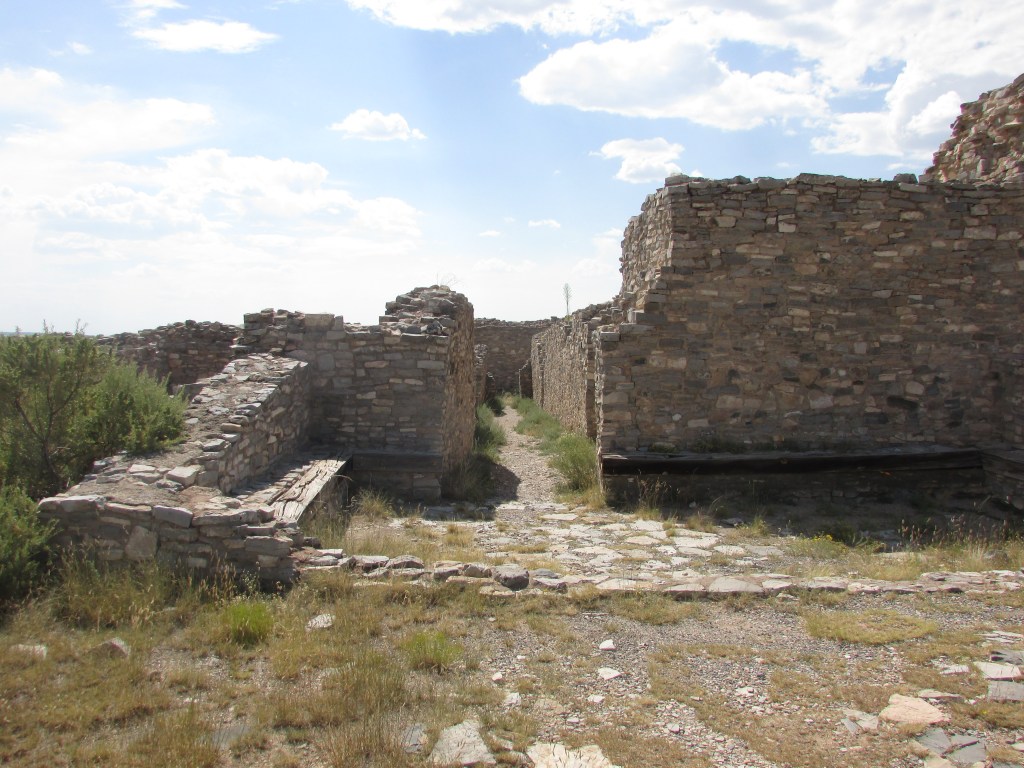
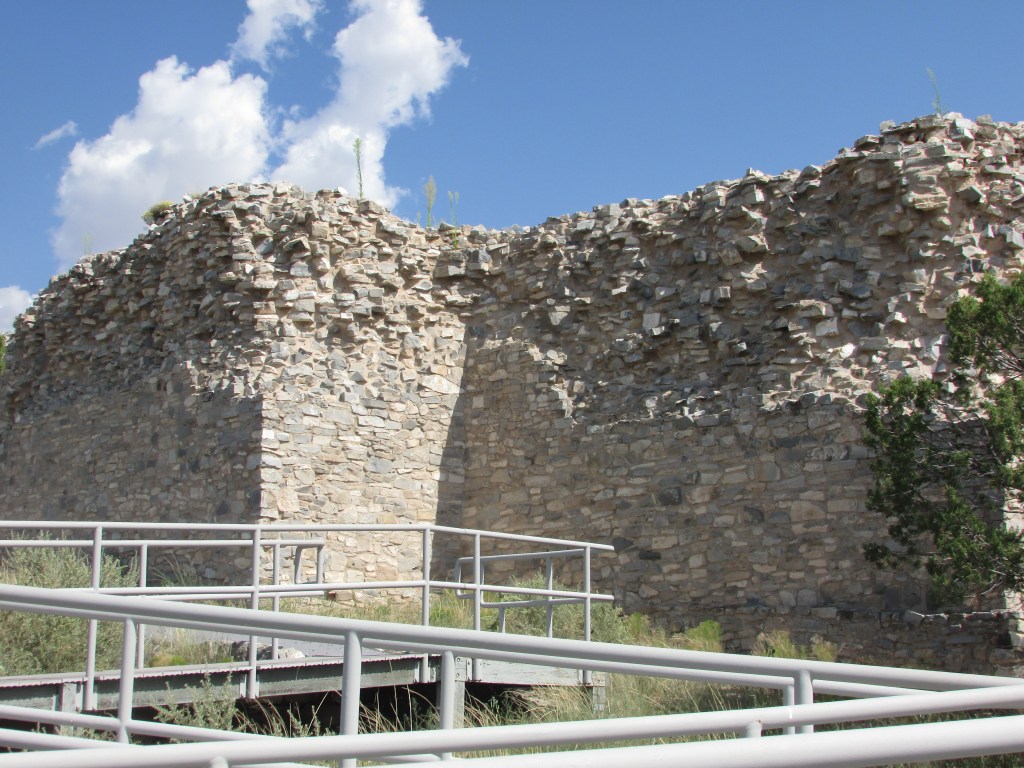
While pithouse-building peoples first began living in the area in around 800 CE, archeology indicates that the construction of the pueblo was completed by 1300 CE. The largest of the sites, Gran Quivira was host to multiple pueblos and kivas, the largest being composed on 226 rooms.
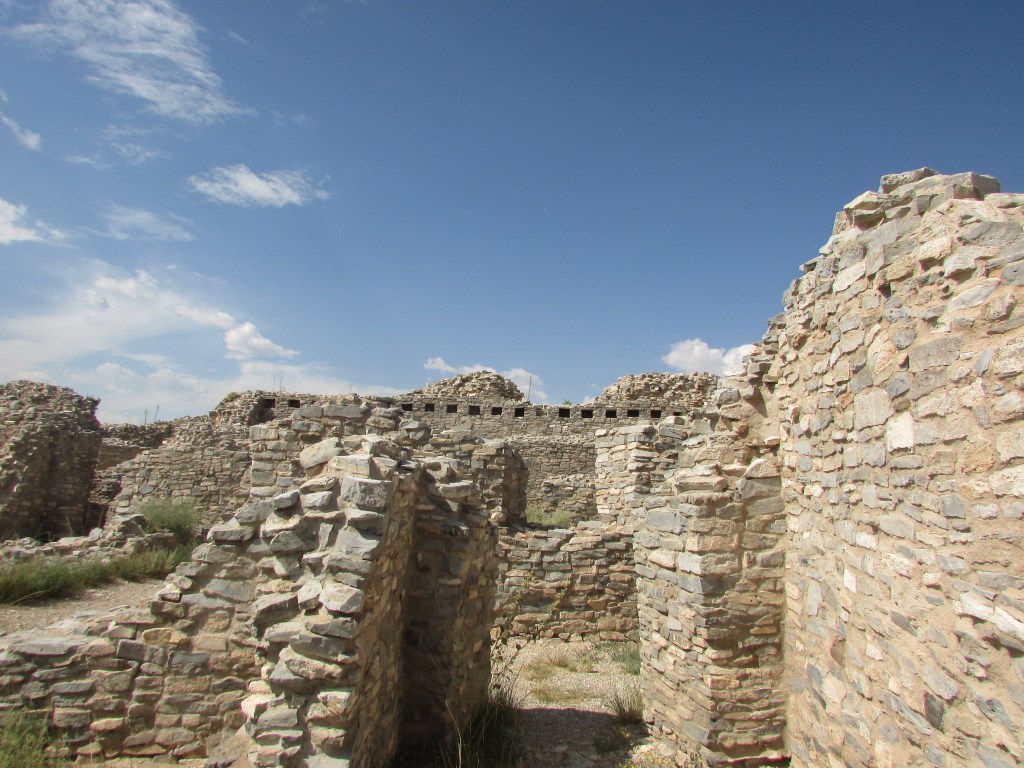
The Spanish first arrived at Gran Quivira in 1583 and colonization efforts began to be made in 1598. The first mission began construction in 1629 and finished in 1635. A larger church was finished ~ 1659. Unlike the other two sites, Gran Quivira was constructed from limestone, rather than sandstone.
However, Gran Quivira faced similar issues to Abó in its later years. By 1672, drought, disease, famine, and raids pushed the inhabitants of Gran Quivira westward to the Rio Grande valley.
Willard
After Gran Quivira, I stopped at the Willard Cantina & Cafe. In 2023, the first solid food I ate after getting my wisdom teeth pulled was a burger from this restaurant. At the time, I considered it to have been the best burger I’d ever had. I wanted to go back and verify that it wasn’t bias due to a week of consuming nothing but smoothies and protein shakes.
Oh my goodness. Best burger in the world still stands. It is, however, heartbreaking for me to say that they were out of ice cream when I visited in 2025 and were unable to make a milkshake that incorporates a full slice of pumpkin pie blended to perfection. I will be returning as soon as I can justify a trip out there again.
The Former Lake Estancia
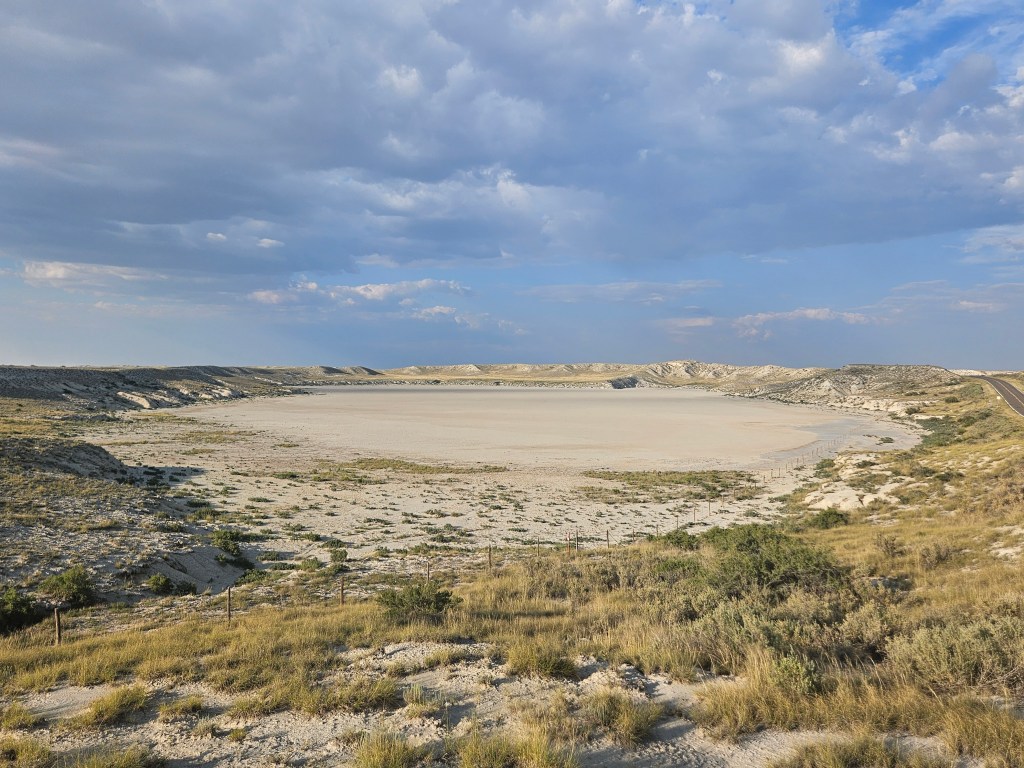
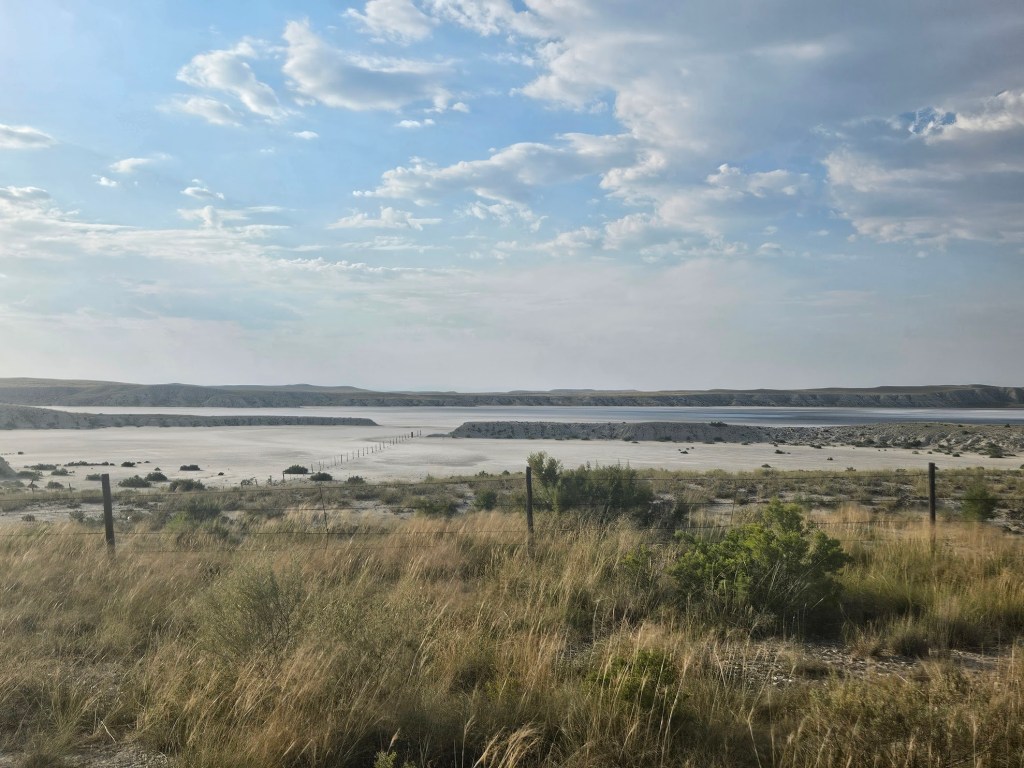
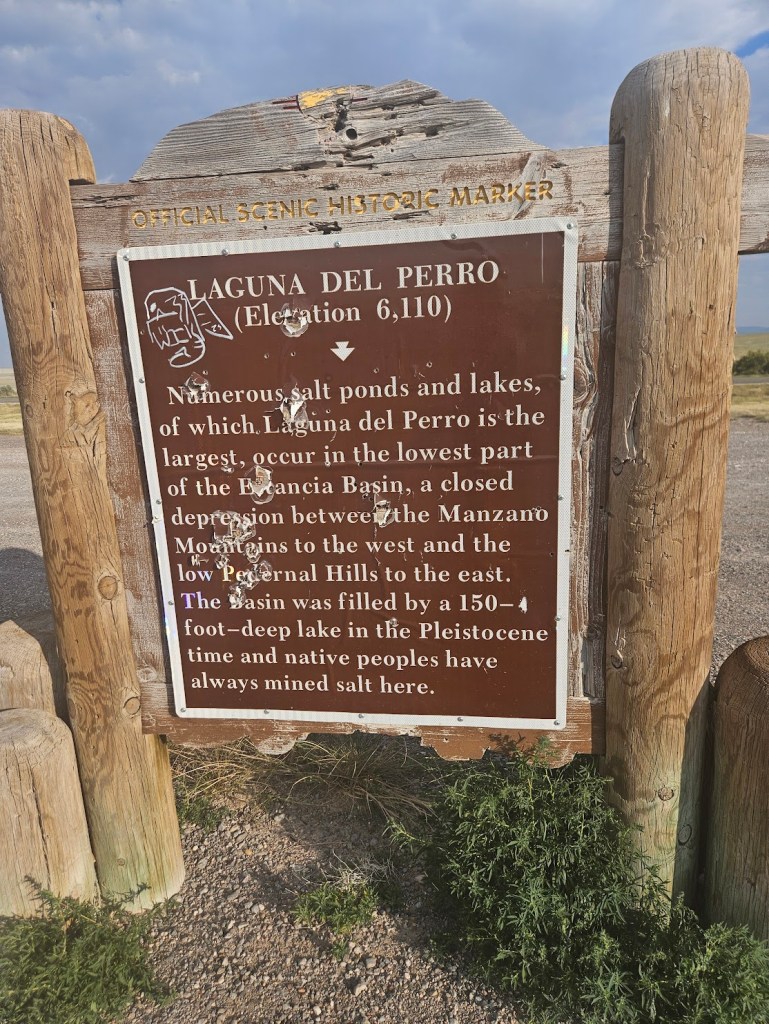
After dinner, I drove east on Highway 60 out towards Lucy. I was really keen on getting a shot of the prehistoric Lake Estancia (also known as Laguna del Perro), but I wasn’t sure how visible it would be from the road. I have always been fascinated by the area and its history, but had never made a trip out there at this point. On the way to Lucy, I saw some places that I could pull over and look out at the playas.
Lake Estancia was formed in either the Pliocene or Pleistocene, likely from the remnants of a previous river system. It reached it’s maximum depth and area between 191,000 and 130,000 years before present. And then fluctuated between high and low water levels until 8,500 years ago, when it dried up for good.
During it’s time, it was host to fauna such as a non-extinct North American horse, mammoths, and cutthroat trout. During the time of the Folsom tradition, the surrounding areas and lake shores made good places for settlements, as evidenced by the presence of Folsom points and multiple archeological sites. Later, the ancestral pueblo people of the Salinas Valley used the salt from the lake beds in trade and culinary practices.


Leave a Reply